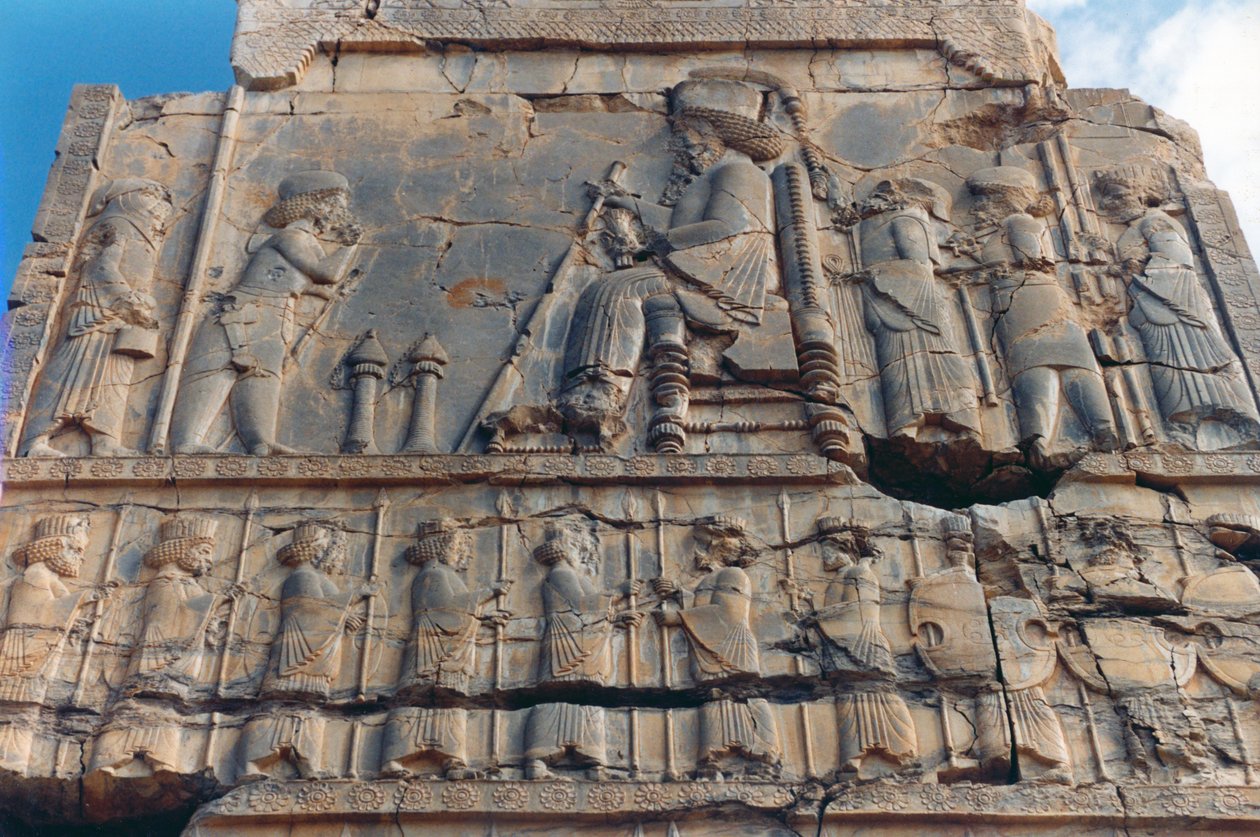
Primer: Why Artaxerxes Still Matters
Artaxerxes archetypes master the middle ground. You moderate powerful factions, use ceremony to reinforce loyalty, and apply pressure only when persuasion and patronage cannot prevent revolt. This Q&A brief distills biography, operating system, and modern applications so readers can deploy the archetype with confidence.
Core Pillars
- Navigates court intrigue with calculated patience
- Secures loyalty through ceremonies and patronage
- Maintains large empires via pragmatic compromise
- Deploys seasoned generals and administrators wisely
Watchouts
- Reliance on nobles risks factional power plays
- Slow decisions can embolden ambitious rivals
- Patronage networks need constant oversight
- Trust issues may limit empowering fresh voices
Leadership Snapshot
Artaxerxes I inherited Xerxes' empire and opted for patient diplomacy over blitz tactics.
- Born: c. 485 BCE — Persis
- Died: 424 BCE — Susa
- Reign: 465-424 BCE
- Specialty: Coalition repair and administrative calm
Deployment Zones
Use the Artaxerxes archetype when you need:
- High-stakes diplomacy
- corporate boards
- legacy family enterprises
- multilateral negotiations
- institutional governance
Signature Timeline & Campaign Pulse
Five anchor moments that prove why Artaxerxes I still trends in boardroom decks.
- Stops coup, executes Artabanus, secured throne.
- Inaros revolt in Egypt; Artaxerxes sends Megabyzus to suppress it.
- Athenians move Delian treasury home; Persian pressure pays off.
- Peace of Callias rumored; Greek front quiets.
- Dies; his sons (Xerxes II, Sogdianus, Darius II) spark succession strife.
Battlefield-to-Bureaucracy Playbook
Stack these cards into strategy briefs, leadership workshops, or culture resets.
Campaign Stack
- Navigates court intrigue with calculated patience
- Secures loyalty through ceremonies and patronage
- Maintains large empires via pragmatic compromise
Coalition Stack
- Deploys seasoned generals and administrators wisely
- Adapts strategies to quell uprisings without collapse
Stability Stack
- Counter-risk: Reliance on nobles risks factional power plays
- Counter-risk: Slow decisions can embolden ambitious rivals
- Counter-risk: Patronage networks need constant oversight
Megabyzus Compromise
When the satrap Megabyzus rebelled, Artaxerxes negotiated rather than annihilated, reinstating him eventually. Pragmatism kept satrap morale intact.
Leaders today can learn that forgiving high performers after accountability can preserve expertise.
Soft speech breaks bones—firmness with grace keeps empire whole.
— Paraphrased from Ctesias' Persica
Comparative Scorecard
Benchmark Artaxerxes against an operator (Augustus) and a reconciler (Nelson Mandela) to anchor strategic debates.
| Signal | Artaxerxes I | Augustus | Nelson Mandela |
|---|---|---|---|
| Signature Play | Prefers diplomacy, bribes, and patience to endless campaigns. | Turns civil turmoil into lasting institutions and codified incentives. | Uses reconciliation and moral authority to reset the rules of engagement. |
| Coalition Style | Balances satrap ambitions, forgiving rebels who repent. | Stitches elites, army, and provinces through calibrated power-sharing and ritual. | Centers empathy, ritual, and accountability to unite rivals. |
| Risk Trigger | Too much leniency breeds palace intrigue. | Can drift toward caution, requiring fresh catalysts to avoid stagnation. | Patience can frustrate urgent reformers and invite bad actors if guardrails slip. |
| Cultural Legacy | Funds scribal schools and bilingual decrees (Aramaic, Elamite). | Builds civic religion, infrastructure, and law to keep Rome cohesive. | Models forgiveness, civic dignity, and inclusive nation-building. |
| Modern Takeaway | Sometimes holding the center quietly beats flashy victories. | Systems outlive charisma when you reward compliance and deliver calm. | Lead with dignity but protect your own stamina and safety nets. |
Research Toolkit & Further Reading
Blend primary sources, documentaries, and Zinvana explainers for instant topical authority.
-
Primary
Ctesias' Persica
Fragmentary but valuable view of Artaxerxes' court.
-
Bible
Ezra-Nehemiah
Mentions Artaxerxes' decrees on Judean rebuilding.
-
Book
The Persian Empire — Lindsay Allen
Explains administrative strategies under Artaxerxes.
-
Article
Callias Peace debate (AJP)
Scholarly take on whether the treaty existed.
-
Guide
Zinvana: Artaxerxes Profile
Useful for lessons on calm stewardship.
In-Depth Q&A – Ten Expert Answers
Tap a topic to expand; each badge tells you which strategic lane you are exploring.
What early conditions shaped Artaxerxes I's leadership instincts? Origins
Artaxerxes archetypes master the middle ground. You moderate powerful factions, use ceremony to reinforce loyalty, and apply pressure only when persuasion and patronage cannot prevent revolt.
How does Artaxerxes I keep momentum without losing control? Strategy
Navigates court intrigue with calculated patience Secures loyalty through ceremonies and patronage Maintains large empires via pragmatic compromise
What systems make Artaxerxes I's leadership sustainable? Systems
High-stakes diplomacy, corporate boards, legacy family enterprises, multilateral negotiations, institutional governance
How does Artaxerxes I hold coalitions together? Allies
You thrive with confidants who deliver candid intelligence and represent grassroots perspectives.
Where can Artaxerxes I's style backfire and how do you counter it? Watchouts
Reliance on nobles risks factional power plays Slow decisions can embolden ambitious rivals Patronage networks need constant oversight
What tactics from Artaxerxes I translate into modern innovation work? Playbook
When the satrap Megabyzus rebelled, Artaxerxes negotiated rather than annihilated, reinstating him eventually. Pragmatism kept satrap morale intact.
How does Artaxerxes I manage morale and narrative? People
Leaders today can learn that forgiving high performers after accountability can preserve expertise.
Where does Artaxerxes I's archetype create outsized results today? Today
High-stakes diplomacy, corporate boards, legacy family enterprises, multilateral negotiations, institutional governance
What myths about Artaxerxes I should modern readers drop? Reality
You balance nobility, diplomacy, and decisive authority to hold coalitions together.
What is the immediate leadership lesson from Artaxerxes I? Action
Schedule direct listening tours and widen your circle of trusted advisors to stay ahead of court politics.