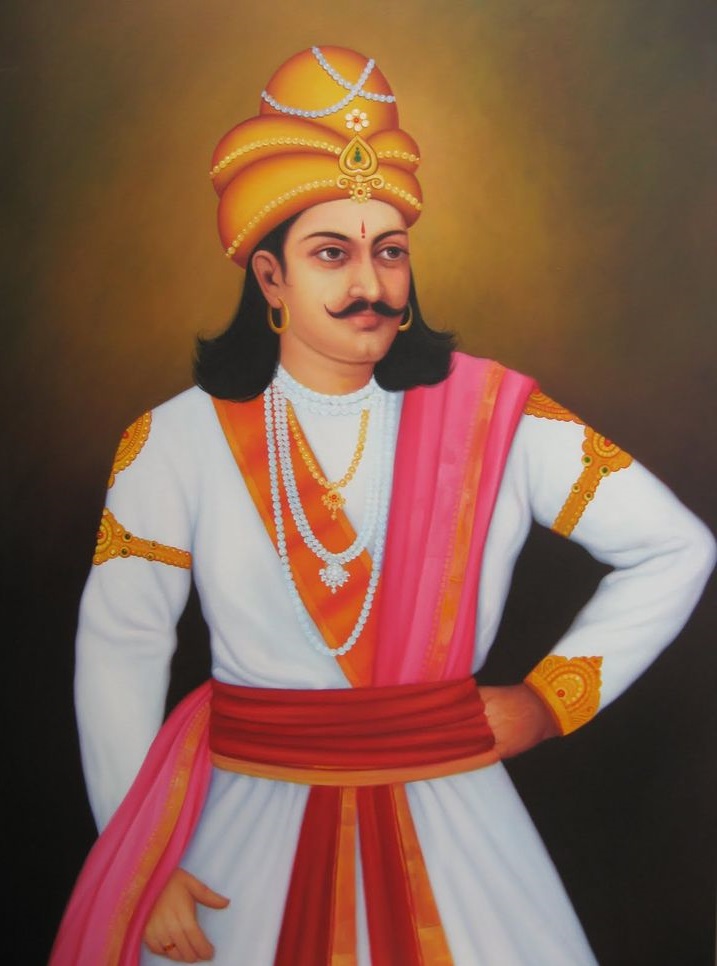
Primer: Why Ashoka Still Matters
Ashoka archetypes transform conquest into care. You meet resistance with moral reform, broadcast values through clear edicts, and invest in infrastructure that proves a kinder future can still be disciplined and effective. This Q&A brief distills biography, operating system, and modern applications so readers can deploy the archetype with confidence.
Core Pillars
- Transforms conquests into legitimacy through ethical reform
- Invests in healthcare, infrastructure, and justice quickly
- Communicates values with memorable edicts
- Builds alliances across faiths and cultures
Watchouts
- Shifts toward compassion can confuse hardline allies
- May overcommit resources to social programs simultaneously
- Risk of being perceived as hesitant in military affairs
- Needs metrics to prove reforms are working
Leadership Snapshot
Ashoka transformed from conqueror to caretaker, proving empires can pivot toward empathy without losing structure.
- Born: c. 304 BCE — Pataliputra
- Died: 232 BCE — Magadha
- Dynasty: Maurya
- Specialty: Moral governance and infrastructure
Deployment Zones
Use the Ashoka archetype when you need:
- Impact investing
- public health leadership
- ESG strategy
- restorative governance
- philanthropic networks
Signature Timeline & Campaign Pulse
Five anchor moments that prove why Ashoka still trends in boardroom decks.
- Ascends Mauryan throne after a succession struggle.
- Conquers Kalinga; witnesses devastation that shifts his policy.
- Issues first edicts emphasizing dhamma (ethical conduct).
- Sends missionary delegations to Lanka, Seleucid Syria, and Egypt.
- Dies after decades of building hospitals, roads, and rest houses.
Battlefield-to-Bureaucracy Playbook
Stack these cards into strategy briefs, leadership workshops, or culture resets.
Campaign Stack
- Transforms conquests into legitimacy through ethical reform
- Invests in healthcare, infrastructure, and justice quickly
- Communicates values with memorable edicts
Coalition Stack
- Builds alliances across faiths and cultures
- Balances authority with empathy for subjects
Stability Stack
- Counter-risk: Shifts toward compassion can confuse hardline allies
- Counter-risk: May overcommit resources to social programs simultaneously
- Counter-risk: Risk of being perceived as hesitant in military affairs
Rock Edict XIII
Ashoka openly admits remorse for Kalinga and vows to win people through persuasion. It's an ancient OKR document listing specific policies: humane prisons, medical aid, religious tolerance.
Leaders can replicate the transparency—own the mistake, publish the remedy, and measure it publicly.
All men are my children. What I desire for my own children I desire for all mankind.
— Ashoka, Rock Edict V
Comparative Scorecard
Benchmark Ashoka against an operator (Augustus) and a reconciler (Nelson Mandela) to anchor strategic debates.
| Signal | Ashoka | Augustus | Nelson Mandela |
|---|---|---|---|
| Signature Play | Moves from coercion to dharma, using edicts as mass communication tools. | Turns civil turmoil into lasting institutions and codified incentives. | Uses reconciliation and moral authority to reset the rules of engagement. |
| Coalition Style | Integrates local elites via tolerance, charity, and shared festivals. | Stitches elites, army, and provinces through calibrated power-sharing and ritual. | Centers empathy, ritual, and accountability to unite rivals. |
| Risk Trigger | Soft power without security audits invites border rebellions. | Can drift toward caution, requiring fresh catalysts to avoid stagnation. | Patience can frustrate urgent reformers and invite bad actors if guardrails slip. |
| Cultural Legacy | Funds stupas, rest houses, and medical centers to prove governance cares. | Builds civic religion, infrastructure, and law to keep Rome cohesive. | Models forgiveness, civic dignity, and inclusive nation-building. |
| Modern Takeaway | Admit harm, codify reforms, and make compassion measurable. | Systems outlive charisma when you reward compliance and deliver calm. | Lead with dignity but protect your own stamina and safety nets. |
Research Toolkit & Further Reading
Blend primary sources, documentaries, and Zinvana explainers for instant topical authority.
-
Primary
Ashokan Edicts (Sanchi, Dhauli)
ASI transcriptions available for download.
-
Book
Ashoka: The Search for India's Lost Emperor — Charles Allen
Narrative history of rediscovering his inscriptions.
-
Archive
Buddhist Councils records
Sri Lankan Mahavamsa chronicles missionary work.
-
Documentary
PBS Secrets of the Dead: The Lost Gardens of Babylon
Episode featuring Ashokan pillars (use segments on archaeology).
-
Guide
Zinvana: Ashoka Profile
Pair with quiz insights on compassionate governance.
In-Depth Q&A – Ten Expert Answers
Tap a topic to expand; each badge tells you which strategic lane you are exploring.
What early conditions shaped Ashoka's leadership instincts? Origins
Ashoka archetypes transform conquest into care. You meet resistance with moral reform, broadcast values through clear edicts, and invest in infrastructure that proves a kinder future can still be disciplined and effective.
How does Ashoka keep momentum without losing control? Strategy
Transforms conquests into legitimacy through ethical reform Invests in healthcare, infrastructure, and justice quickly Communicates values with memorable edicts
What systems make Ashoka's leadership sustainable? Systems
Impact investing, public health leadership, ESG strategy, restorative governance, philanthropic networks
How does Ashoka hold coalitions together? Allies
You benefit from partners who ground your compassion with operational discipline and honest feedback.
Where can Ashoka's style backfire and how do you counter it? Watchouts
Shifts toward compassion can confuse hardline allies May overcommit resources to social programs simultaneously Risk of being perceived as hesitant in military affairs
What tactics from Ashoka translate into modern innovation work? Playbook
Ashoka openly admits remorse for Kalinga and vows to win people through persuasion. It's an ancient OKR document listing specific policies: humane prisons, medical aid, religious tolerance.
How does Ashoka manage morale and narrative? People
Leaders can replicate the transparency—own the mistake, publish the remedy, and measure it publicly.
Where does Ashoka's archetype create outsized results today? Today
Impact investing, public health leadership, ESG strategy, restorative governance, philanthropic networks
What myths about Ashoka should modern readers drop? Reality
You turn victory into compassion-driven governance.
What is the immediate leadership lesson from Ashoka? Action
Document outcomes and invite pragmatic voices so generosity scales sustainably.