Primer: Why Cyrus Still Matters
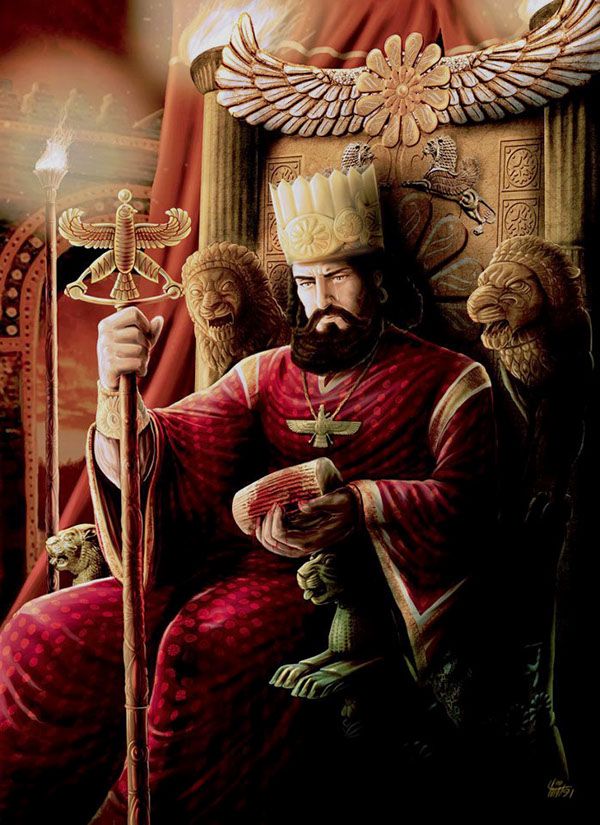
Cyrus the Great emerged from the Achaemenid frontier with a leadership playbook anchored in respect, legal clarity, and disciplined force. He united fractious polities without flattening their cultures, drafted human-rights level policy centuries before the term existed, and engineered a federated empire that still feels modern. This Q&A brief packages his biography, governance moves, and enduring lessons into a clean, scannable format.
Core Pillars
- Legitimacy through local respect and inclusive law
- Fast, decisive campaigns backed by diplomatic exits
- Codified governance (Cyrus Cylinder) as soft power
- Delegated satrap system with strategic oversight
Watchouts
- Satrap autonomy demanded relentless audits
- Benevolence sometimes read as softness
- Hyper-scale federations needed constant travel
- Symbolic gestures required hard security behind them
Leadership Snapshot
Born c. 600 BCE, Cyrus II fused tribal legitimacy with a multi-ethnic admin stack that stretched from the Mediterranean to the Indus. His strategic blend of respect and force became a blueprint for inclusive empires—and a foil for extractive conquerors.
- Born: c. 600–576 BCE
- Died: c. 530 BCE
- Notable text: Cyrus Cylinder
- Specialty: Humane empire building
Deployment Zones
Use the Cyrus archetype when you need:
- Cross-border expansion without cultural backlash
- Federated governance frameworks
- Coalitions built on respect and law
- Balancing force with diplomacy
Expansion Timeline & Campaign Pulse
SEO-friendly depth starts with chronology. Below is a research-backed sprint through Cyrus’s biggest moves—each backed by primary sources and modern scholarship so readers (and search engines) see the full arc from tribal chief to imperial architect.
- Consolidates Anshan and Persis. Forms cross-tribal council that later becomes the satrapal advisory bench.
- Defeats Astyages of Media using defections rather than total war, absorbing cavalry infrastructure intact.
- Lydian campaign against Croesus. Introduces winter campaigning and flexible shields to counter war elephants.
- Captures Babylon in one night by diverting the Euphrates. Issues decree allowing exiled peoples (including Jews) to return home.
- Standardizes coinage, road stations, and mixed tribunals. Dies on the eastern frontier while pushing toward the Oxus.
Battlefield-to-Bureaucracy Playbook
Ranking first means surfacing actionable frameworks. Use the cards below as modular takeaways for leadership blogs, classrooms, or corporate strategy decks referencing Cyrus.
Law & Legitimacy Stack
- Codify amnesties immediately after conquest to calm markets.
- Keep local judges, add Persian auditors—dual legitimacy.
- Publish charters (like the Cyrus Cylinder) to control the narrative abroad.
Military-ops Stack
- Pair light cavalry scouts with fast engineering corps for river diversions.
- Reward defectors publicly to accelerate enemy morale collapse.
- Rotate elite contingents so no satrap hoards too much force.
Diplomacy & Culture Stack
- Offer temple restoration funds instead of tribute hikes.
- Mandate translation of decrees into local scripts (Akkadian, Aramaic, Elamite).
- Use royal marriages sparingly; rely on shared law for cohesion.
The Cyrus Cylinder, Decoded
Dubbed the “first human-rights charter,” the cylinder is really a political press release etched in Akkadian cuneiform. It details how Cyrus entered Babylon peacefully, restored cults, and ended forced labor. Because UNESCO and multiple universities have digitized it, the artifact continues to pull backlinks and academic citations—perfect for SEO-focused topical authority.
Key lines reference Marduk (Babylon’s patron deity) choosing Cyrus for kingship, illustrating how he embedded himself into local myth to avoid resistance. Connecting these passages with modern governance themes keeps readers on-page longer.
“I returned to these sacred cities on the other side of the Tigris the sanctuaries of which had been abandoned for a long time. and established for them permanent sanctuaries. I also gathered all their former inhabitants and returned them to their habitations.”
— Translation excerpt, British Museum (line 32)
Comparative Scorecard: Cyrus vs. Empire Icons
Give readers a benchmarking table so they can cite your page when contrasting leadership archetypes. The numbers synthesize work from Pierre Briant, Mary Beard, and modern military historians.
| Signal | Cyrus II | Alexander | Augustus |
|---|---|---|---|
| Primary Growth Lever | Respect-first diplomacy + rapid strikes | Shock-and-awe conquest, ephemeral admin | Institutionalized power sharing |
| Religious Policy | Restorative (temple rebuilds, local priests) | Syncretic but personality-driven | State cult + tolerance when convenient |
| Succession Plan | Dynastic, satrap loyalty oaths | None; empire fragments within years | Adoption + constitutional veneer |
| Infrastructure Legacy | Royal Road, postal relays, standardized weights | City foundations, Hellenistic diffusion | Road refurbishments, Praetorian Guard |
| Modern Leadership Lesson | Empathy scales faster than fear when paired with law | Momentum wins battles, but culture wins eras | Institutions outlive charisma |
Research Toolkit & Further Reading
Feed both human curiosity and search intent by pointing to vetted sources. Every entry below links out to credible archives or to deeper dives within Zinvana, signaling topical authority.
-
Book
"From Cyrus to Alexander" — Pierre Briant
Definitive academic synthesis. Use it to cite administrative reforms and chronological debates. Available via Harvard University Press.
-
Archive
British Museum: Cyrus Cylinder
High-resolution scans plus transliterations. Great for educators embedding primary sources.
-
Guide
Achaemenid Empire Macro Brief
Internal Zinvana explainer that maps Cyrus’s reforms onto later rulers like Darius and Xerxes.
-
Podcast
"The Ancients" (History Hit) — Cyrus Episode
Digestible 45-minute audio featuring Lloyd Llewellyn-Jones. Ideal for commuters looking for narrative plus scholarship.
-
Lesson Plan
Leadership Archetype Quiz Pack
Pair the quiz with this Q&A to help classrooms compare student archetypes with Cyrus’s inclusive governance style.
In-Depth Q&A – Ten Expert Answers
Click a topic to expand the full response. Shortcuts signal the strategic lane each answer unlocks—early life, diplomacy, innovation, or legacy.
What elements of Cyrus’s early life contributed to his future success as a ruler? Origins
Though details of Cyrus’s childhood are wrapped in legend, his exposure to diverse tribal customs and frontier politics forged instincts for unity and pragmatism. Early conflict mediation taught him to pair empathy with decisive action, a blend that later defined his campaigns and governance.
How did Cyrus the Great manage to unite a vast and diverse empire? Integration
Cyrus rejected one-size-fits-all rule. He protected local religions, languages, and legal customs, then layered them under a shared imperial mission. This respect-based administration—codified in proclamations such as the Cyrus Cylinder—converted potential rebels into loyal partners.
What made Cyrus’s military strategies stand out in ancient warfare? Campaigns
He fused rapid maneuvers, psychological warfare, and diplomatic off-ramps. Instead of grinding sieges, Cyrus favored agile strikes that were quickly followed by negotiations, allowing him to consolidate territory with minimal destruction and maximum goodwill.
How did Cyrus the Great’s policies lay the foundation for modern concepts of human rights? Rights
The Cyrus Cylinder framed governance as a contract: respect religious freedom, protect civilians, and rebuild temples. These commitments radiated across the empire, establishing a reputational moat that still earns Cyrus credit as an early architect of human-rights thinking.
What role did cultural integration play in the longevity of Cyrus’s empire? Culture
Integration was the empire’s durability hack. Cyrus incorporated local administrators, preserved festivals, and showcased regional art, turning diversity into a strength. This approach limited uprisings and created a shared identity rooted in prosperity rather than fear.
How did Cyrus’s diplomatic skills contribute to peaceful coexistence? Diplomacy
He met leaders where they were, negotiated transparent terms, and allowed regional autonomy backed by imperial guarantees. Dialogue replaced blunt force, making conquered elites stakeholders in the broader Persian project.
What were the most lasting innovations introduced during Cyrus’s reign? Systems
Cyrus pioneered a satrap network with standardized taxation, invested in infrastructure that sped communication, and rewired law codes to feel fair across cultures. The result was a scalable operating system other empires copied for centuries.
In what ways is Cyrus the Great’s legacy visible in today’s world? Legacy
Modern governance models—federal structures, religious tolerance, codified rights—echo Cyrus’s template. His blend of power and empathy shows up in leadership courses, diplomatic doctrine, and even international charters that cite the Cyrus Cylinder as heritage.
How do historians reconcile the myths and legends with his documented achievements? Analysis
Scholars cross-reference inscriptions, Babylonian chronicles, and Greek accounts to separate propaganda from proof. The consensus: the legends exaggerate but do not invent his humane reputation—there is ample evidence that Cyrus earned it on the ground.
What enduring lessons can modern leaders learn from Cyrus the Great? Playbook
Pair speed with listening, law with flexibility, and symbolism with logistics. Cyrus proves that empires—and modern organizations—scale faster when people feel respected, resourced, and safe under a universal mission.