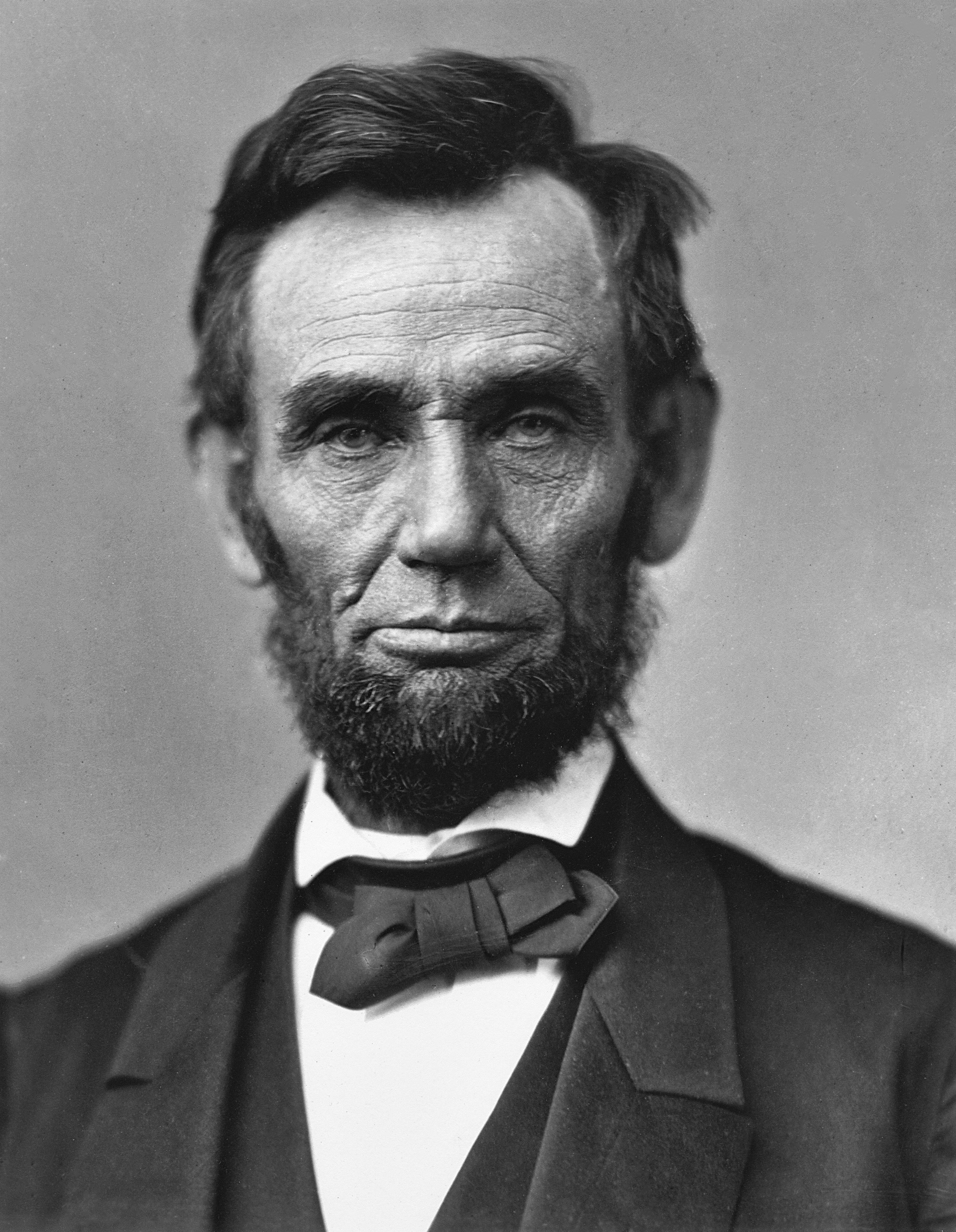
Primer: Why Abraham Still Matters
Lincoln archetypes listen longer, seek common language, and frame conflict as solvable. You turn opponents into collaborators by honoring their dignity while holding the line on principle. This Q&A brief distills biography, operating system, and modern applications so readers can deploy the archetype with confidence.
Core Pillars
- Turns opponents into collaborators through respect
- Communicates complex ethics in plain speech
- Holds firm principles while remaining pragmatic
- Absorbs pressure without lashing out
Watchouts
- Internalizes stress and grief
- Deliberation can appear indecisive
- Self-sacrifice risks burnout or isolation
- May tolerate dysfunctional advisors too long
Leadership Snapshot
Lincoln merged empathy with steel—he listened longer than rivals but wielded power decisively when required.
- Born: 1809 — Hardin County, Kentucky
- Died: 1865 — Washington, D.C.
- Notable text: Emancipation Proclamation (1863)
- Specialty: Coalition-building through clear moral narrative
Deployment Zones
Use the Abraham archetype when you need:
- Policy leadership
- negotiation
- people operations
- legal mediation
- mission-driven startups
Signature Timeline & Campaign Pulse
Five anchor moments that prove why Abraham Lincoln still trends in boardroom decks.
- Elected president on a platform opposing slavery's expansion.
- Inaugurated amid secession; keeps border states via careful messaging.
- Issues preliminary Emancipation after Antietam, reframing the war.
- Delivers Gettysburg Address and signs the first federal draft law.
- Wins re-election, pushes 13th Amendment, assassinated days after Appomattox.
Battlefield-to-Bureaucracy Playbook
Stack these cards into strategy briefs, leadership workshops, or culture resets.
Campaign Stack
- Turns opponents into collaborators through respect
- Communicates complex ethics in plain speech
- Holds firm principles while remaining pragmatic
Coalition Stack
- Absorbs pressure without lashing out
- Uses storytelling to humanize policy decisions
Stability Stack
- Counter-risk: Internalizes stress and grief
- Counter-risk: Deliberation can appear indecisive
- Counter-risk: Self-sacrifice risks burnout or isolation
Team of Rivals Cabinet
Lincoln intentionally appointed former opponents Seward, Chase, and Bates to his cabinet. He met each weekly, allowing debate but making final decisions clear.
Modern execs can copy the move by formalizing dissent sessions, then summarizing decisions in concise memos the moment debate ends.
I destroy my enemies when I make them my friends.
— Lincoln (attributed), letter to William Seward
Comparative Scorecard
Benchmark Abraham against an operator (Augustus) and a reconciler (Nelson Mandela) to anchor strategic debates.
| Signal | Abraham Lincoln | Augustus | Nelson Mandela |
|---|---|---|---|
| Signature Play | Frames conflicts as solvable moral math—preserve Union, end slavery, keep democracy intact. | Turns civil turmoil into lasting institutions and codified incentives. | Uses reconciliation and moral authority to reset the rules of engagement. |
| Coalition Style | Listens to adversaries, writes personal letters, and tours battlefronts to stay credible. | Stitches elites, army, and provinces through calibrated power-sharing and ritual. | Centers empathy, ritual, and accountability to unite rivals. |
| Risk Trigger | Internalizes grief; waits for consensus longer than generals prefer. | Can drift toward caution, requiring fresh catalysts to avoid stagnation. | Patience can frustrate urgent reformers and invite bad actors if guardrails slip. |
| Cultural Legacy | Elevates ordinary citizens in speeches, reinforcing why sacrifice matters. | Builds civic religion, infrastructure, and law to keep Rome cohesive. | Models forgiveness, civic dignity, and inclusive nation-building. |
| Modern Takeaway | Hold the line on principle while inviting dissent; clarity plus humility builds durable mandates. | Systems outlive charisma when you reward compliance and deliver calm. | Lead with dignity but protect your own stamina and safety nets. |
Research Toolkit & Further Reading
Blend primary sources, documentaries, and Zinvana explainers for instant topical authority.
-
Biography
Team of Rivals — Doris Kearns Goodwin
Definitive account of Lincoln's inclusive cabinet playbook.
-
Archive
Collected Works of Abraham Lincoln
University of Michigan hosts searchable volumes for direct quotes.
-
Records
Freedmen's Bureau Papers
Library of Congress collection detailing Reconstruction policies.
-
Documentary
Ken Burns: The Civil War
Episode 4-5 focus on Emancipation, inclusive of primary quotes.
-
Guide
Zinvana: Lincoln Profile
Use with quiz output to coach empathy-led decision making.
In-Depth Q&A – Ten Expert Answers
Tap a topic to expand; each badge tells you which strategic lane you are exploring.
What early conditions shaped Abraham Lincoln's leadership instincts? Origins
Lincoln archetypes listen longer, seek common language, and frame conflict as solvable. You turn opponents into collaborators by honoring their dignity while holding the line on principle.
How does Abraham Lincoln keep momentum without losing control? Strategy
Turns opponents into collaborators through respect Communicates complex ethics in plain speech Holds firm principles while remaining pragmatic
What systems make Abraham Lincoln's leadership sustainable? Systems
Policy leadership, negotiation, people operations, legal mediation, mission-driven startups
How does Abraham Lincoln hold coalitions together? Allies
You thrive with partners who notice your emotional load and encourage rest. Sharing vulnerability strengthens your ability to carry others.
Where can Abraham Lincoln's style backfire and how do you counter it? Watchouts
Internalizes stress and grief Deliberation can appear indecisive Self-sacrifice risks burnout or isolation
What tactics from Abraham Lincoln translate into modern innovation work? Playbook
Lincoln intentionally appointed former opponents Seward, Chase, and Bates to his cabinet. He met each weekly, allowing debate but making final decisions clear.
How does Abraham Lincoln manage morale and narrative? People
Modern execs can copy the move by formalizing dissent sessions, then summarizing decisions in concise memos the moment debate ends.
Where does Abraham Lincoln's archetype create outsized results today? Today
Policy leadership, negotiation, people operations, legal mediation, mission-driven startups
What myths about Abraham Lincoln should modern readers drop? Reality
You broker peace between competing truths with patient empathy.
What is the immediate leadership lesson from Abraham Lincoln? Action
Protect calendar space for reflection with trusted peers. Build guardrails so empathy does not become martyrdom.