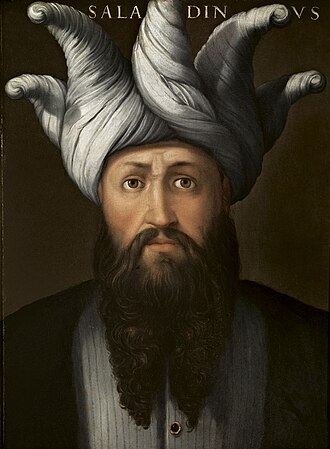
Primer: Why Saladin Still Matters
Saladin archetypes see legitimacy as a strategic asset. You protect holy places, negotiate from principle, and pair mercy with decisive defense when lines are crossed. This Q&A brief distills biography, operating system, and modern applications so readers can deploy the archetype with confidence.
Core Pillars
- Balances martial skill with respect for civilians
- Earns credibility across religious divides
- Uses personal reputation to guarantee treaties
- Rebuilds institutions after conflict
Watchouts
- Honor codes can be exploited by ruthless foes
- Reluctance to retaliate may be misread
- Needs strong supply management to match diplomacy
- Can hesitate to delegate ceremonial duties
Leadership Snapshot
Saladin balanced jihad with justice, winning respect from enemies by keeping promises sacred.
- Born: 1137 — Tikrit
- Died: 1193 — Damascus
- Title: Sultan of Egypt and Syria
- Specialty: Ethical warfare and diplomacy
Deployment Zones
Use the Saladin archetype when you need:
- Peacekeeping
- interfaith initiatives
- humanitarian command
- strategic defense
- ombuds leadership
Signature Timeline & Campaign Pulse
Five anchor moments that prove why Saladin still trends in boardroom decks.
- Becomes vizier of Egypt under the Fatimids.
- Abolishes Fatimid caliphate, pledging loyalty to Abbasids.
- Wins at Hattin, retakes Jerusalem with clemency.
- Negotiates with Richard I after clashes at Acre and Arsuf.
- Dies, leaving treasury nearly empty from almsgiving.
Battlefield-to-Bureaucracy Playbook
Stack these cards into strategy briefs, leadership workshops, or culture resets.
Campaign Stack
- Balances martial skill with respect for civilians
- Earns credibility across religious divides
- Uses personal reputation to guarantee treaties
Coalition Stack
- Rebuilds institutions after conflict
- Shows patience until decisive action is required
Stability Stack
- Counter-risk: Honor codes can be exploited by ruthless foes
- Counter-risk: Reluctance to retaliate may be misread
- Counter-risk: Needs strong supply management to match diplomacy
Honor at Jerusalem
Unlike 1099, Saladin ransomed civilians, escorted Christians safely, and reopened holy sites to multiple faiths.
It was humanitarian optics plus strategy—mercy kept cities cooperative and undermined crusader propaganda.
I cannot take joy in a city empty of people.
— Reported by chronicler Imad ad-Din al-Isfahani
Comparative Scorecard
Benchmark Saladin against an operator (Augustus) and a reconciler (Nelson Mandela) to anchor strategic debates.
| Signal | Saladin | Augustus | Nelson Mandela |
|---|---|---|---|
| Signature Play | Combines disciplined field command with mercy to win hearts and territory. | Turns civil turmoil into lasting institutions and codified incentives. | Uses reconciliation and moral authority to reset the rules of engagement. |
| Coalition Style | Keeps Kurdish, Syrian, and Egyptian elites aligned through shared revenue and faith. | Stitches elites, army, and provinces through calibrated power-sharing and ritual. | Centers empathy, ritual, and accountability to unite rivals. |
| Risk Trigger | Generosity drains coffers; rivals exploit any sign of softness. | Can drift toward caution, requiring fresh catalysts to avoid stagnation. | Patience can frustrate urgent reformers and invite bad actors if guardrails slip. |
| Cultural Legacy | Funds madrasas, hospitals, and endowments to legitimize rule. | Builds civic religion, infrastructure, and law to keep Rome cohesive. | Models forgiveness, civic dignity, and inclusive nation-building. |
| Modern Takeaway | Honor is strategy—consistent ethics make truces enforceable. | Systems outlive charisma when you reward compliance and deliver calm. | Lead with dignity but protect your own stamina and safety nets. |
Research Toolkit & Further Reading
Blend primary sources, documentaries, and Zinvana explainers for instant topical authority.
-
Primary
Ibn Shaddad's Life of Saladin
Eyewitness biography translated into English.
-
Book
Saladin — Anne-Marie Eddé
complete modern biography.
-
Archive
Islamic Heritage Project
Maps and letters from the Ayyubid period.
-
Podcast
BBC In Our Time: Saladin
Panel of historians on his legacy.
-
Guide
Zinvana: Saladin Profile
Use for lessons on principled negotiation.
In-Depth Q&A – Ten Expert Answers
Tap a topic to expand; each badge tells you which strategic lane you are exploring.
What early conditions shaped Saladin's leadership instincts? Origins
Saladin archetypes see legitimacy as a strategic asset. You protect holy places, negotiate from principle, and pair mercy with decisive defense when lines are crossed.
How does Saladin keep momentum without losing control? Strategy
Balances martial skill with respect for civilians Earns credibility across religious divides Uses personal reputation to guarantee treaties
What systems make Saladin's leadership sustainable? Systems
Peacekeeping, interfaith initiatives, humanitarian command, strategic defense, ombuds leadership
How does Saladin hold coalitions together? Allies
You need candid advisors who flag when goodwill is being abused so you can reset boundaries.
Where can Saladin's style backfire and how do you counter it? Watchouts
Honor codes can be exploited by ruthless foes Reluctance to retaliate may be misread Needs strong supply management to match diplomacy
What tactics from Saladin translate into modern innovation work? Playbook
Unlike 1099, Saladin ransomed civilians, escorted Christians safely, and reopened holy sites to multiple faiths.
How does Saladin manage morale and narrative? People
It was humanitarian optics plus strategy—mercy kept cities cooperative and undermined crusader propaganda.
Where does Saladin's archetype create outsized results today? Today
Peacekeeping, interfaith initiatives, humanitarian command, strategic defense, ombuds leadership
What myths about Saladin should modern readers drop? Reality
You lead with honor, restraint, and multi-faith diplomacy even in total war.
What is the immediate leadership lesson from Saladin? Action
Pair compassion with clear red lines and communicate consequences early.