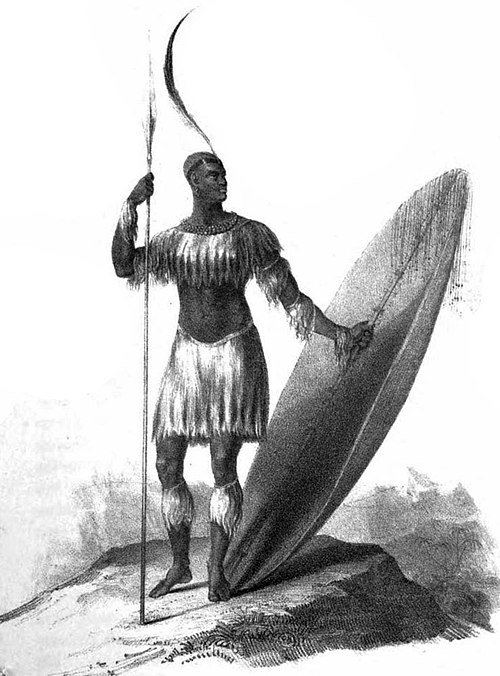
Primer: Why Shaka Still Matters
Shaka archetypes obsess over training, iteration, and psychological edge. You challenge norms, compress decision loops, and expect teams to master new playbooks quickly. This Q&A brief distills biography, operating system, and modern applications so readers can deploy the archetype with confidence.
Core Pillars
- Builds relentless training cultures
- Innovates tactics when resources are limited
- Rewards discipline and shared sacrifice
- Keeps intelligence flowing from the front line
Watchouts
- Intensity can burn out loyal lieutenants
- Direct feedback may feel harsh
- May underestimate political diplomacy
- Rapid change demands constant communication
Leadership Snapshot
Shaka Zulu weaponized training, formation science, and psychological warfare to punch above his numbers.
- Born: c. 1787 — KwaZulu
- Died: 1828 — KwaDukuza
- Title: King of the Zulu (1816-1828)
- Specialty: Military innovation and rapid mobilization
Deployment Zones
Use the Shaka archetype when you need:
- Special operations leadership
- competitive sports programs
- startup blitz-scaling
- transformation PMOs
- tactical innovation
Signature Timeline & Campaign Pulse
Five anchor moments that prove why Shaka Zulu still trends in boardroom decks.
- Seizes Zulu throne after Dingiswayo's death.
- Implements buffalo-horn formation drills and river-crossing standards.
- Mfecane dispersals reshape southern African geopolitics.
- Allows first British traders at Port Natal, exploring firearms trade.
- Assassinated by half-brothers; reforms endure under Dingane/Mpandeni.
Battlefield-to-Bureaucracy Playbook
Stack these cards into strategy briefs, leadership workshops, or culture resets.
Campaign Stack
- Builds relentless training cultures
- Innovates tactics when resources are limited
- Rewards discipline and shared sacrifice
Coalition Stack
- Keeps intelligence flowing from the front line
- Thrives in high-tempo competition
Stability Stack
- Counter-risk: Intensity can burn out loyal lieutenants
- Counter-risk: Direct feedback may feel harsh
- Counter-risk: May underestimate political diplomacy
Buffalo Horn Formation
Shaka drilled regiments to encircle foes: 'chest' fixed the enemy, 'horns' flanked, 'loins' rested as reserve. It demanded radio-level discipline without radios.
Scrums, war games, whistles—he invented agile stand-ups centuries early.
Strike by day, rest at night, march on: the cow only gives milk when driven.
— Attributed in oral histories collected by Henry Fynn
Comparative Scorecard
Benchmark Shaka against an operator (Augustus) and a reconciler (Nelson Mandela) to anchor strategic debates.
| Signal | Shaka Zulu | Augustus | Nelson Mandela |
|---|---|---|---|
| Signature Play | Redesigns training, weapons, and routes so small teams hit like armies. | Turns civil turmoil into lasting institutions and codified incentives. | Uses reconciliation and moral authority to reset the rules of engagement. |
| Coalition Style | Rewards merit regardless of birth, but expects total compliance. | Stitches elites, army, and provinces through calibrated power-sharing and ritual. | Centers empathy, ritual, and accountability to unite rivals. |
| Risk Trigger | Hyperintensity plus grief-fueled edicts can alienate allies. | Can drift toward caution, requiring fresh catalysts to avoid stagnation. | Patience can frustrate urgent reformers and invite bad actors if guardrails slip. |
| Cultural Legacy | Uses ritual dances, shield art, and shared hardships to bind units. | Builds civic religion, infrastructure, and law to keep Rome cohesive. | Models forgiveness, civic dignity, and inclusive nation-building. |
| Modern Takeaway | Innovation sticks when you drill it daily and retire obsolete tools ruthlessly. | Systems outlive charisma when you reward compliance and deliver calm. | Lead with dignity but protect your own stamina and safety nets. |
Research Toolkit & Further Reading
Blend primary sources, documentaries, and Zinvana explainers for instant topical authority.
-
Archive
South African History Online: Shaka
Primary-source compilations and critiques.
-
Book
Shaka Zulu — E.A. Ritter
Classic (if stylized) biography; pair with modern scholarship.
-
Academic
Omer-Cooper on the Mfecane
Journal article reassessing causes and effects.
-
Museum
KwaDukuza heritage center
Site info for field trips.
-
Guide
Zinvana: Shaka Profile
Translate regimental discipline into modern ops.
In-Depth Q&A – Ten Expert Answers
Tap a topic to expand; each badge tells you which strategic lane you are exploring.
What early conditions shaped Shaka Zulu's leadership instincts? Origins
Shaka archetypes obsess over training, iteration, and psychological edge. You challenge norms, compress decision loops, and expect teams to master new playbooks quickly.
How does Shaka Zulu keep momentum without losing control? Strategy
Builds relentless training cultures Innovates tactics when resources are limited Rewards discipline and shared sacrifice
What systems make Shaka Zulu's leadership sustainable? Systems
Special operations leadership, competitive sports programs, startup blitz-scaling, transformation PMOs, tactical innovation
How does Shaka Zulu hold coalitions together? Allies
Partners who mind morale and highlight early warning signs keep your machine humane.
Where can Shaka Zulu's style backfire and how do you counter it? Watchouts
Intensity can burn out loyal lieutenants Direct feedback may feel harsh May underestimate political diplomacy
What tactics from Shaka Zulu translate into modern innovation work? Playbook
Shaka drilled regiments to encircle foes: 'chest' fixed the enemy, 'horns' flanked, 'loins' rested as reserve. It demanded radio-level discipline without radios.
How does Shaka Zulu manage morale and narrative? People
Scrums, war games, whistles—he invented agile stand-ups centuries early.
Where does Shaka Zulu's archetype create outsized results today? Today
Special operations leadership, competitive sports programs, startup blitz-scaling, transformation PMOs, tactical innovation
What myths about Shaka Zulu should modern readers drop? Reality
You engineer elite performance by redesigning systems from the ground up.
What is the immediate leadership lesson from Shaka Zulu? Action
Integrate recovery rituals and emotional check-ins so excellence remains sustainable.