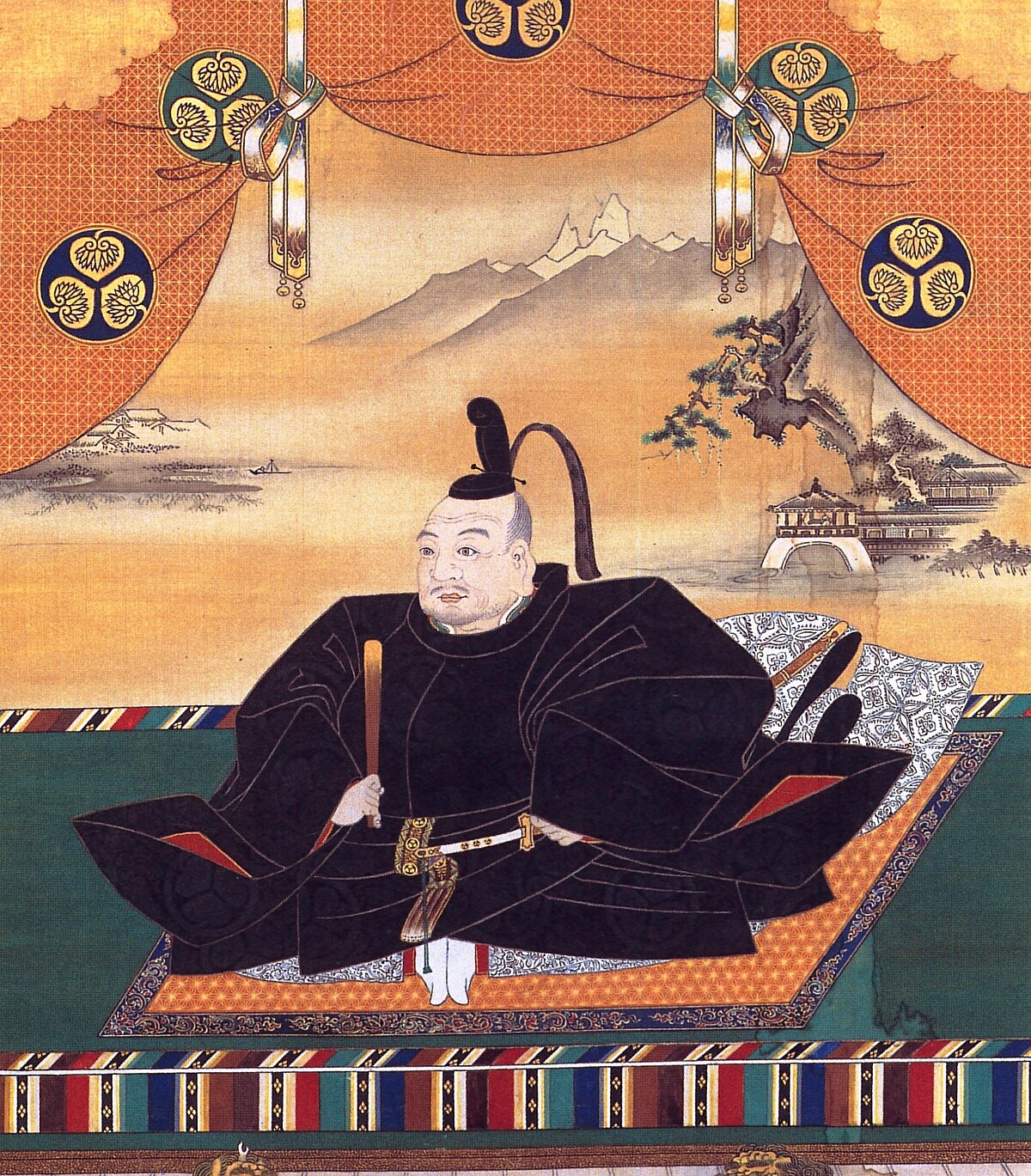
Primer: Why Tokugawa Still Matters
Tokugawa archetypes prefer predictable systems over headline heroics. You craft layered checks and balances, monitor threats quietly, and invest in prosperity that pays off over generations. This Q&A brief distills biography, operating system, and modern applications so readers can deploy the archetype with confidence.
Core Pillars
- Designs resilient systems that minimize conflict
- Balances rival powers through meticulous checks
- Invests in long-term prosperity over flashy victories
- Elevates bureaucracy and discipline to maintain order
Watchouts
- Rigid structures can slow innovation
- Controlled isolation risks missing global shifts
- Micromanaged hierarchies may stifle creativity
- Succession requires constant monitoring
Leadership Snapshot
Tokugawa Ieyasu transformed warlord chaos into 250 years of managed peace with spreadsheets of rice and hostages.
- Born: 1543 — Okazaki
- Died: 1616 — Sunpu
- Title: Shogun (1603)
- Specialty: Institutionalized stability (bakuhan system)
Deployment Zones
Use the Tokugawa archetype when you need:
- Risk management
- regulatory strategy
- enterprise PMO
- security architecture
- national policy planning
Signature Timeline & Campaign Pulse
Five anchor moments that prove why Tokugawa Ieyasu still trends in boardroom decks.
- Wins Battle of Sekigahara, eliminating rival coalitions.
- Appointed shogun; establishes Edo as administrative capital.
- Siege of Osaka ends Toyotomi threat.
- Issues Buke Shohatto, codifying warrior conduct.
- Dies; succession plan ensures smooth power transfer to Hidetada/Iemitsu.
Battlefield-to-Bureaucracy Playbook
Stack these cards into strategy briefs, leadership workshops, or culture resets.
Campaign Stack
- Designs resilient systems that minimize conflict
- Balances rival powers through meticulous checks
- Invests in long-term prosperity over flashy victories
Coalition Stack
- Elevates bureaucracy and discipline to maintain order
- Reads threats early and neutralizes quietly
Stability Stack
- Counter-risk: Rigid structures can slow innovation
- Counter-risk: Controlled isolation risks missing global shifts
- Counter-risk: Micromanaged hierarchies may stifle creativity
Alternate Attendance (Sankin-kotai)
Tokugawa required daimyo to spend alternate years in Edo, leaving families behind as hostages. It kept roads busy, commerce flowing, and rebellions rare.
It's a masterclass in soft control: make compliance expensive to ignore but beneficial to follow.
The strong warrior rules himself first, then his house, then his province.
— Buke Shohatto preface
Comparative Scorecard
Benchmark Tokugawa against an operator (Augustus) and a reconciler (Nelson Mandela) to anchor strategic debates.
| Signal | Tokugawa Ieyasu | Augustus | Nelson Mandela |
|---|---|---|---|
| Signature Play | Turns victors into administrators, codifying rice-based KPIs. | Turns civil turmoil into lasting institutions and codified incentives. | Uses reconciliation and moral authority to reset the rules of engagement. |
| Coalition Style | Balances fudai allies with monitored tozama lords via hostages and audits. | Stitches elites, army, and provinces through calibrated power-sharing and ritual. | Centers empathy, ritual, and accountability to unite rivals. |
| Risk Trigger | Isolation policies can slow innovation if maintained too long. | Can drift toward caution, requiring fresh catalysts to avoid stagnation. | Patience can frustrate urgent reformers and invite bad actors if guardrails slip. |
| Cultural Legacy | Patronizes arts, haiku, and urban planning to normalize order. | Builds civic religion, infrastructure, and law to keep Rome cohesive. | Models forgiveness, civic dignity, and inclusive nation-building. |
| Modern Takeaway | Peace needs systems: schedules, audits, and incentives for compliance. | Systems outlive charisma when you reward compliance and deliver calm. | Lead with dignity but protect your own stamina and safety nets. |
Research Toolkit & Further Reading
Blend primary sources, documentaries, and Zinvana explainers for instant topical authority.
-
Book
Tokugawa Ieyasu — Conrad Totman
Detailed biography with battlefield-to-bureaucracy arc.
-
Archive
National Diet Library Edo maps
Interactive maps of Edo routes and castle towns.
-
Museum
Nikko Toshogu Shrine
Official mausoleum site with primary inscriptions.
-
Podcast
History of Japan #17
Episode on Sekigahara and Tokugawa's rise.
-
Guide
Zinvana: Tokugawa Profile
Use for governance, compliance, and operations lessons.
In-Depth Q&A – Ten Expert Answers
Tap a topic to expand; each badge tells you which strategic lane you are exploring.
What early conditions shaped Tokugawa Ieyasu's leadership instincts? Origins
Tokugawa archetypes prefer predictable systems over headline heroics. You craft layered checks and balances, monitor threats quietly, and invest in prosperity that pays off over generations.
How does Tokugawa Ieyasu keep momentum without losing control? Strategy
Designs resilient systems that minimize conflict Balances rival powers through meticulous checks Invests in long-term prosperity over flashy victories
What systems make Tokugawa Ieyasu's leadership sustainable? Systems
Risk management, regulatory strategy, enterprise PMO, security architecture, national policy planning
How does Tokugawa Ieyasu hold coalitions together? Allies
Partners who champion innovation and external awareness keep your systems adaptive.
Where can Tokugawa Ieyasu's style backfire and how do you counter it? Watchouts
Rigid structures can slow innovation Controlled isolation risks missing global shifts Micromanaged hierarchies may stifle creativity
What tactics from Tokugawa Ieyasu translate into modern innovation work? Playbook
Tokugawa required daimyo to spend alternate years in Edo, leaving families behind as hostages. It kept roads busy, commerce flowing, and rebellions rare.
How does Tokugawa Ieyasu manage morale and narrative? People
It's a masterclass in soft control: make compliance expensive to ignore but beneficial to follow.
Where does Tokugawa Ieyasu's archetype create outsized results today? Today
Risk management, regulatory strategy, enterprise PMO, security architecture, national policy planning
What myths about Tokugawa Ieyasu should modern readers drop? Reality
You engineer stability with structure, patience, and strategic isolation.
What is the immediate leadership lesson from Tokugawa Ieyasu? Action
Build safe sandboxes for experimentation so stability evolves with the world.