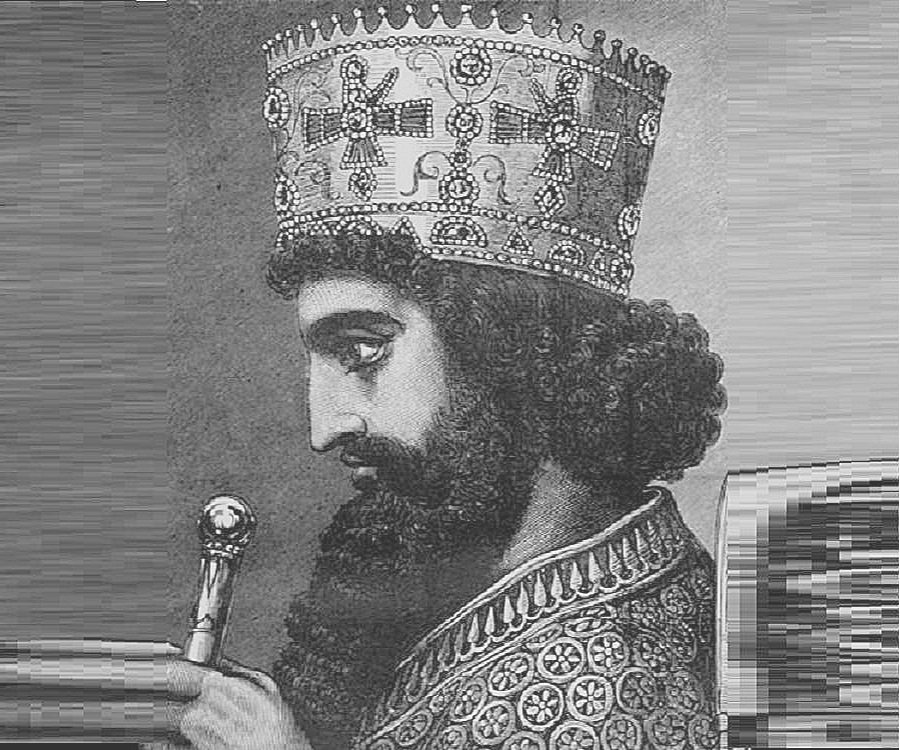
Primer: Why Xerxes Still Matters
Xerxes archetypes understand that symbolism fuels logistics. You summon subject nations, stage unforgettable ceremonies, and translate ambition into tangible mega-projects. Morale, narrative, and engineering are woven together so no one forgets the scale of the mission. This Q&A brief distills biography, operating system, and modern applications so readers can deploy the archetype with confidence.
Core Pillars
- Mobilizes multi-nation coalitions through shared ritual
- Balances soft power theatrics with hard infrastructure
- Anticipates morale needs on long campaigns
- Communicates vision with cinematic clarity
Watchouts
- Grand displays can mask fragile supply lines
- Slow to pivot once ceremonial plans are in motion
- Risk of insulated echo chambers among courtiers
- May underestimate asymmetric or guerrilla tactics
Leadership Snapshot
Xerxes I inherited Darius's machine and tested its limits against Greece with audacious engineering.
- Born: c. 519 BCE — Persis
- Died: 465 BCE — Persepolis
- Campaign: Greco-Persian Wars
- Specialty: Grand-scale logistics and symbolism
Deployment Zones
Use the Xerxes archetype when you need:
- Global events leadership
- mega-infrastructure delivery
- diplomatic alliances
- brand spectacles
- transformation coalitions
Signature Timeline & Campaign Pulse
Five anchor moments that prove why Xerxes I still trends in boardroom decks.
- Succeeds Darius, quells Egyptian and Babylonian revolts.
- Finishes Athos canal and mobilizes pan-imperial forces.
- Wins at Thermopylae, sacks Athens but loses navy at Salamis.
- Withdraws after Plataea and Mycale defeats.
- Assassinated in palace intrigue; Artaxerxes I succeeds.
Battlefield-to-Bureaucracy Playbook
Stack these cards into strategy briefs, leadership workshops, or culture resets.
Campaign Stack
- Mobilizes multi-nation coalitions through shared ritual
- Balances soft power theatrics with hard infrastructure
- Anticipates morale needs on long campaigns
Coalition Stack
- Communicates vision with cinematic clarity
- Makes logistical feats feel culturally meaningful
Stability Stack
- Counter-risk: Grand displays can mask fragile supply lines
- Counter-risk: Slow to pivot once ceremonial plans are in motion
- Counter-risk: Risk of insulated echo chambers among courtiers
Bridging the Hellespont
Xerxes ordered Phoenician and Egyptian engineers to lash ships, lay planks, and stretch flax/linen cables—an early megaproject with redundancies after storms broke the first version.
Project managers still cite it: prototype fast, punish failure less, and double-build critical paths.
The sea will bear it. I command it.
— Herodotus paraphrasing Xerxes, Book VII
Comparative Scorecard
Benchmark Xerxes against an operator (Augustus) and a reconciler (Nelson Mandela) to anchor strategic debates.
| Signal | Xerxes I | Augustus | Nelson Mandela |
|---|---|---|---|
| Signature Play | Executes colossal infrastructure to project inevitability. | Turns civil turmoil into lasting institutions and codified incentives. | Uses reconciliation and moral authority to reset the rules of engagement. |
| Coalition Style | Draws troops from 20+ nations, leaning on satrap loyalty and intimidation. | Stitches elites, army, and provinces through calibrated power-sharing and ritual. | Centers empathy, ritual, and accountability to unite rivals. |
| Risk Trigger | Hubris plus overlong supply lines spelled disaster at Salamis and Plataea. | Can drift toward caution, requiring fresh catalysts to avoid stagnation. | Patience can frustrate urgent reformers and invite bad actors if guardrails slip. |
| Cultural Legacy | Completes Persepolis terraces celebrating empire's diversity. | Builds civic religion, infrastructure, and law to keep Rome cohesive. | Models forgiveness, civic dignity, and inclusive nation-building. |
| Modern Takeaway | Ambition must be paired with adaptive commanders; paperwork alone won't win battles. | Systems outlive charisma when you reward compliance and deliver calm. | Lead with dignity but protect your own stamina and safety nets. |
Research Toolkit & Further Reading
Blend primary sources, documentaries, and Zinvana explainers for instant topical authority.
-
Primary
Herodotus Books VII-IX
Narrative of Xerxes' invasion with engineering anecdotes.
-
Archaeology
Gate of All Nations
Persepolis 3D tour for Xerxes' building program.
-
Book
Xerxes: A Persian Life — Richard Stoneman
Recent biography demythologizing the king.
-
Article
Athos canal excavation report
Greek Archaeological Society paper with diagrams.
-
Guide
Zinvana: Xerxes Profile
Great for lessons on ambition vs. execution.
In-Depth Q&A – Ten Expert Answers
Tap a topic to expand; each badge tells you which strategic lane you are exploring.
What early conditions shaped Xerxes I's leadership instincts? Origins
Xerxes archetypes understand that symbolism fuels logistics. You summon subject nations, stage unforgettable ceremonies, and translate ambition into tangible mega-projects. Morale, narrative, and engineering are woven together so no one forgets the scale of the mission.
How does Xerxes I keep momentum without losing control? Strategy
Mobilizes multi-nation coalitions through shared ritual Balances soft power theatrics with hard infrastructure Anticipates morale needs on long campaigns
What systems make Xerxes I's leadership sustainable? Systems
Global events leadership, mega-infrastructure delivery, diplomatic alliances, brand spectacles, transformation coalitions
How does Xerxes I hold coalitions together? Allies
You need pragmatic deputies who red-team every plan and surface candid field intelligence.
Where can Xerxes I's style backfire and how do you counter it? Watchouts
Grand displays can mask fragile supply lines Slow to pivot once ceremonial plans are in motion Risk of insulated echo chambers among courtiers
What tactics from Xerxes I translate into modern innovation work? Playbook
Xerxes ordered Phoenician and Egyptian engineers to lash ships, lay planks, and stretch flax/linen cables—an early megaproject with redundancies after storms broke the first version.
How does Xerxes I manage morale and narrative? People
Project managers still cite it: prototype fast, punish failure less, and double-build critical paths.
Where does Xerxes I's archetype create outsized results today? Today
Global events leadership, mega-infrastructure delivery, diplomatic alliances, brand spectacles, transformation coalitions
What myths about Xerxes I should modern readers drop? Reality
You choreograph spectacle and coalition rituals so massive ventures move in sync.
What is the immediate leadership lesson from Xerxes I? Action
Pair each spectacle with contingency budgets and review cadences so wow-factor never outruns feasibility.